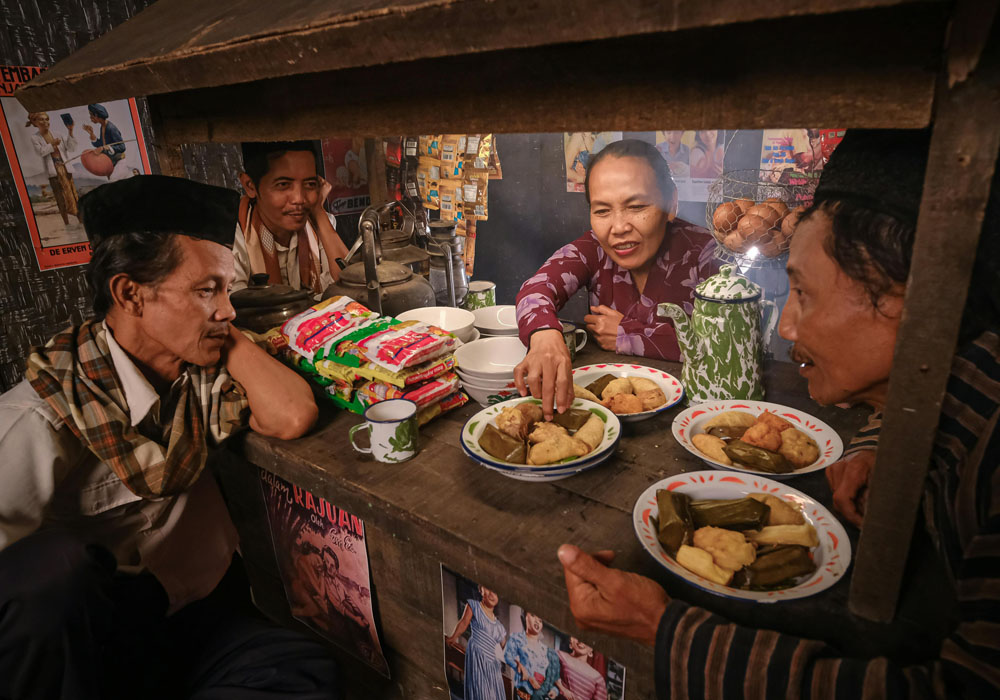
Traditional Indonesian Foods Foreigners Should Try. One of the best ways to understand a country is through its food. As an Indonesian, I often tell travelers that Indonesia is much more than beautiful beaches, volcanoes, and ancient temples. If you really want to discover Indonesia, sit down at a local warung, order a meal you’ve never heard of before, and share a table with the locals.
Indonesia is home to more than 17,000 islands and hundreds of ethnic groups. Every region has its own unique flavors, cooking techniques, and food traditions passed down through generations. From spicy dishes in Sumatra to sweet flavors in Java and fresh seafood in Bali, every meal tells a story about the people and culture behind it.
If you’re visiting Indonesia for the first time, here are 15 traditional Indonesian foods that deserve a place on your culinary adventure.
1. Nasi Goreng
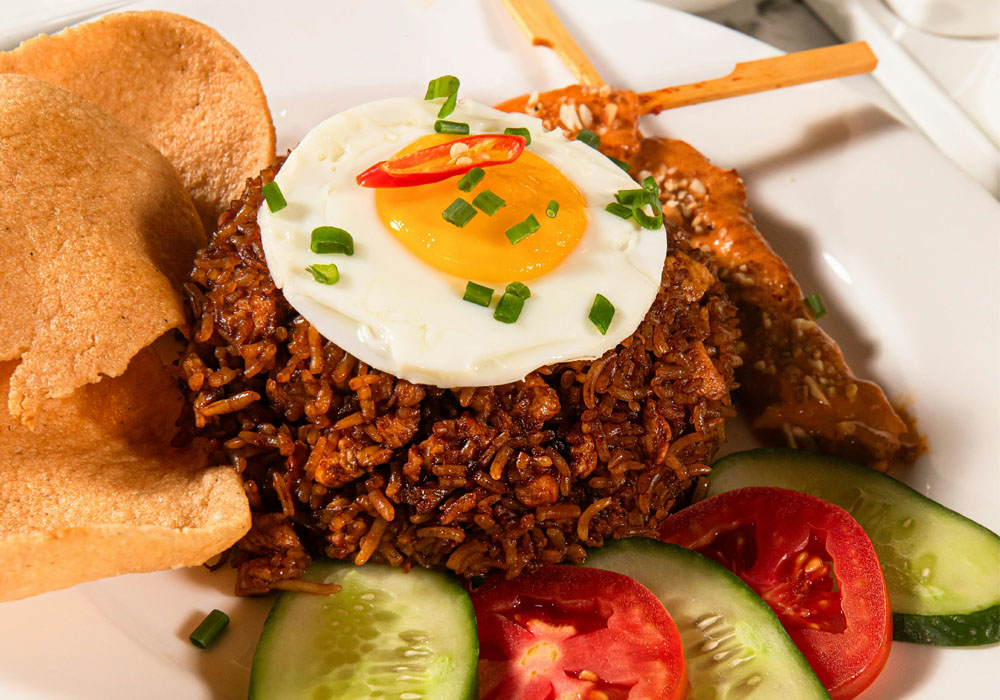
If Indonesia had a national comfort food, it would be Nasi Goreng.
This famous fried rice dish is simple yet incredibly satisfying. Traditionally made with rice, sweet soy sauce (kecap manis), vegetables, egg, and your choice of meat, Nasi Goreng can be found everywhere from street food stalls to luxury restaurants.
What makes Indonesian fried rice special is the sweet and smoky flavor from kecap manis. Many travelers arrive expecting ordinary fried rice and leave wondering why it tastes so much better in Indonesia.
2. Rendang
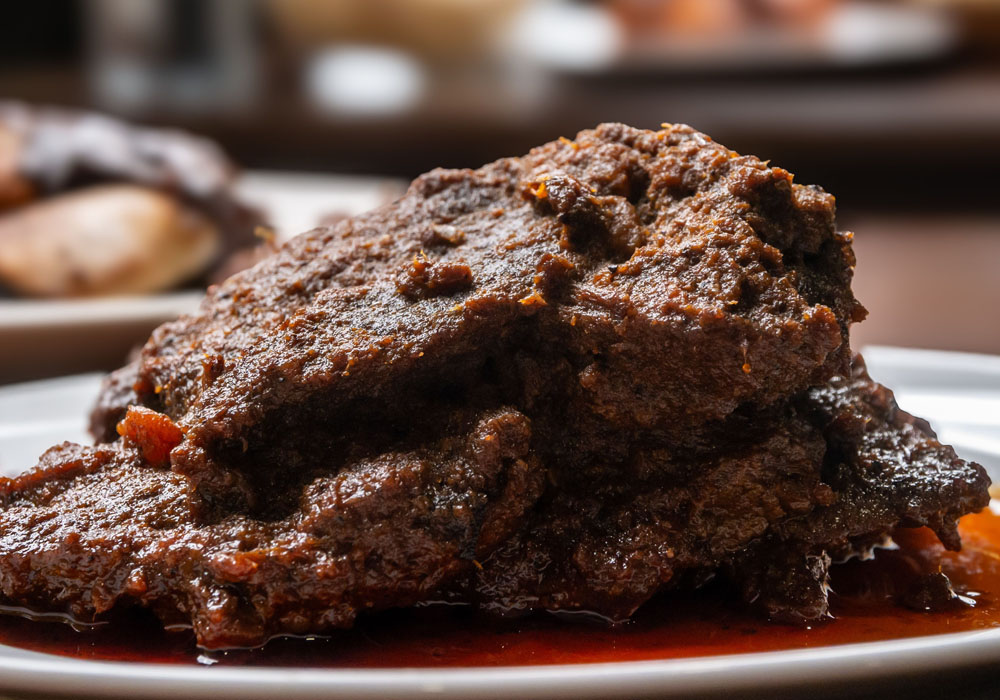
Originally from West Sumatra, Rendang is often considered one of the most delicious foods in the world.
Beef is slowly cooked for hours in coconut milk and a rich blend of spices until it becomes incredibly tender. The cooking process requires patience, a value deeply rooted in Indonesian culture where good things take time.
Every bite delivers layers of flavor developed through generations of traditional cooking.
3. Satay (Sate)
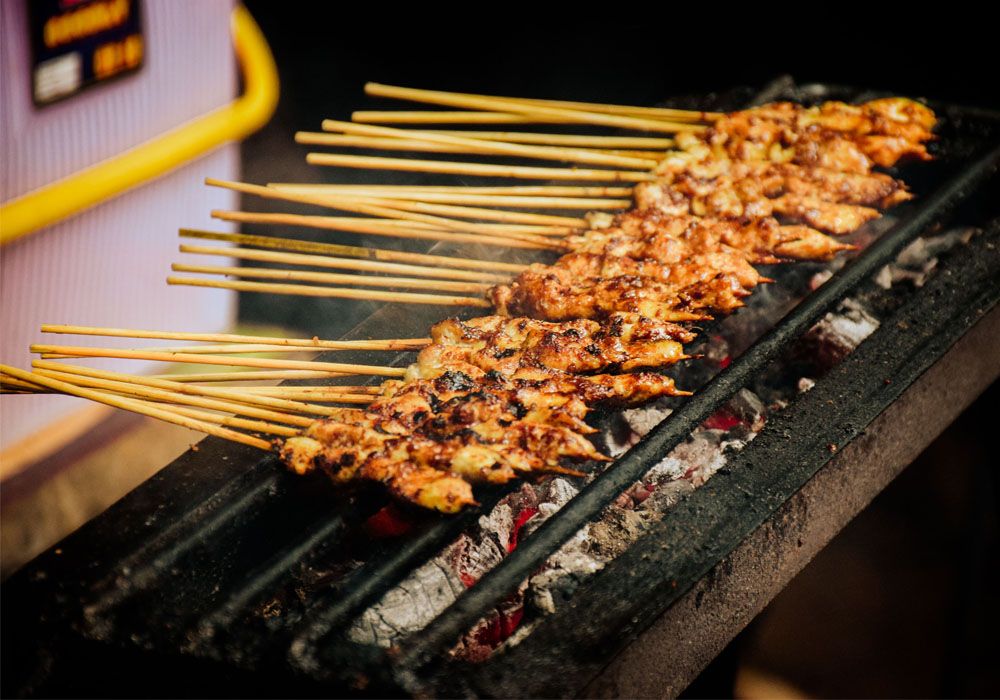
As the sun begins to set, you’ll often see smoke rising from roadside grills across Indonesia.
Satay consists of skewered meat grilled over charcoal and served with rich peanut sauce. Chicken, beef, lamb, and even seafood variations are common depending on the region.
For many Indonesians, satay is more than food. It’s a gathering meal often enjoyed with family and friends during celebrations and special occasions.
4. Soto Ayam
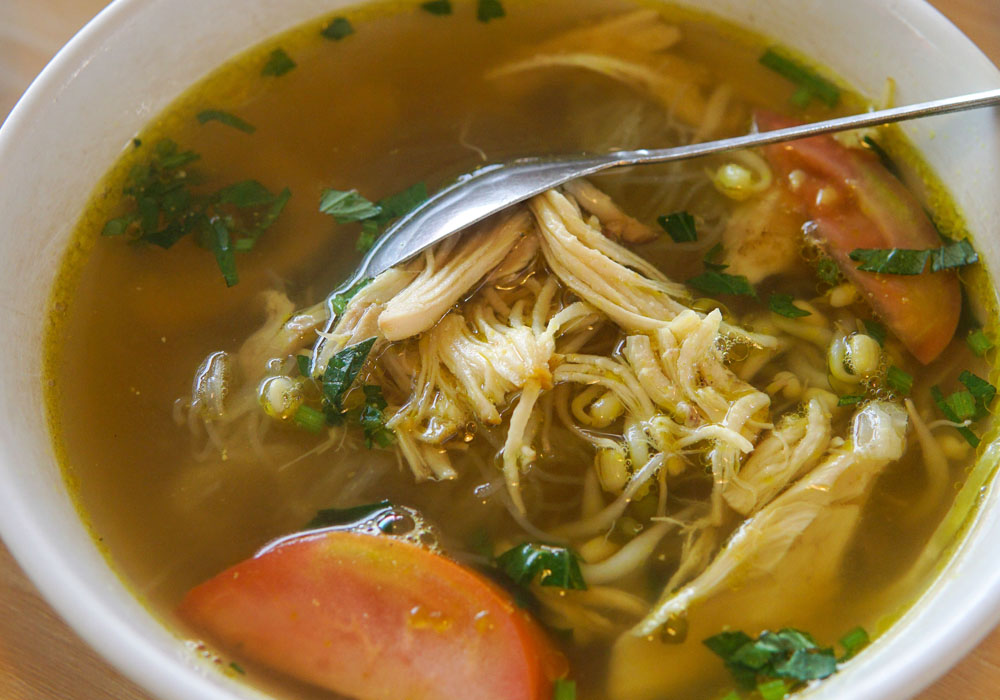
Soto Ayam is a comforting chicken soup that warms both body and soul.
Made with turmeric-infused broth, shredded chicken, rice noodles, boiled eggs, and fresh herbs, it’s a favorite breakfast or lunch option throughout Indonesia.
Many families have their own secret recipe passed down through generations, making every bowl slightly different.
5. Gado-Gado
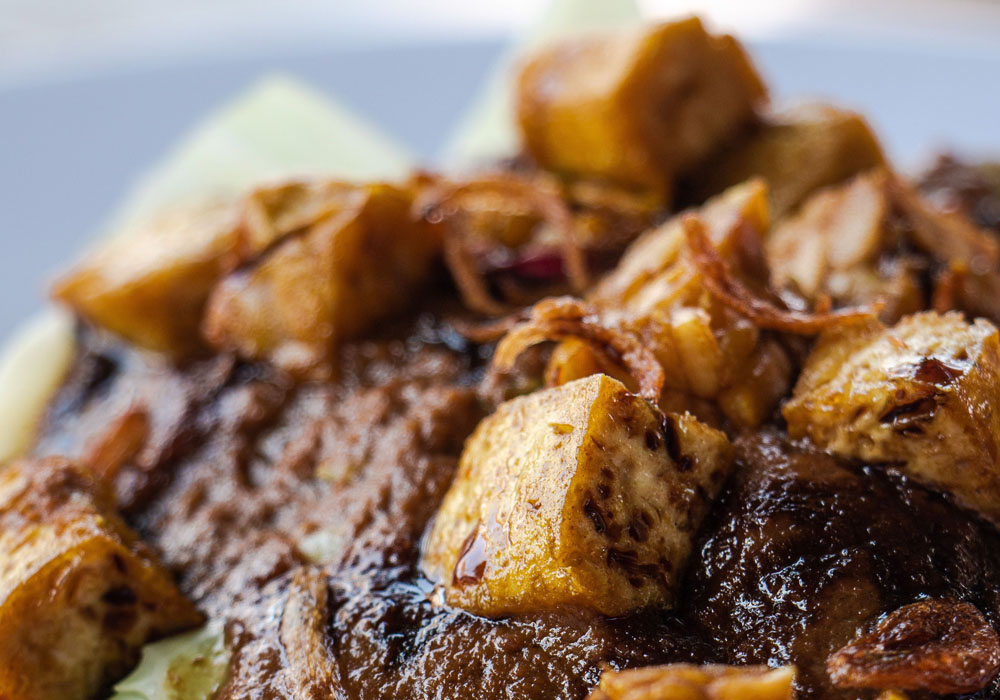
Vegetarians visiting Indonesia should not miss Gado-Gado.
This colorful salad combines steamed vegetables, tofu, tempeh, boiled eggs, and rice cakes covered in creamy peanut sauce.
The name roughly means “mix mix,” perfectly reflecting Indonesia’s diversity where many cultures and traditions blend together harmoniously.
6. Bakso
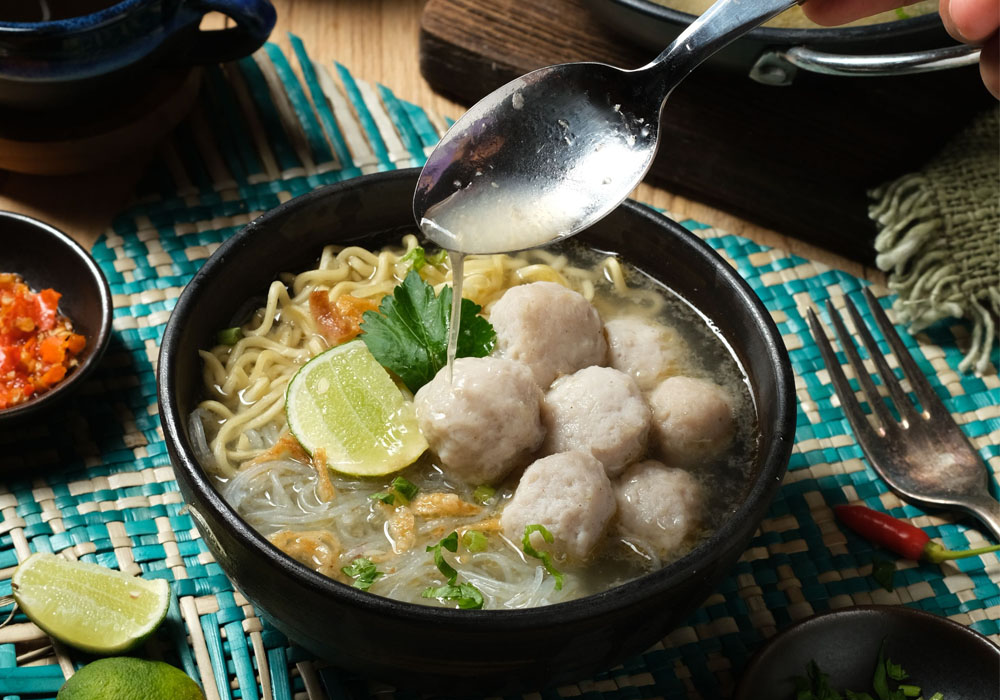
Bakso is Indonesia’s beloved meatball soup.
You’ll often hear street vendors pushing carts while announcing their arrival through a distinctive sound. Children run outside, and families gather for a bowl of hot Bakso.
The soup typically contains beef meatballs, noodles, fried shallots, and fresh herbs. It’s simple, affordable, and loved by Indonesians from all walks of life.
7. Nasi Padang
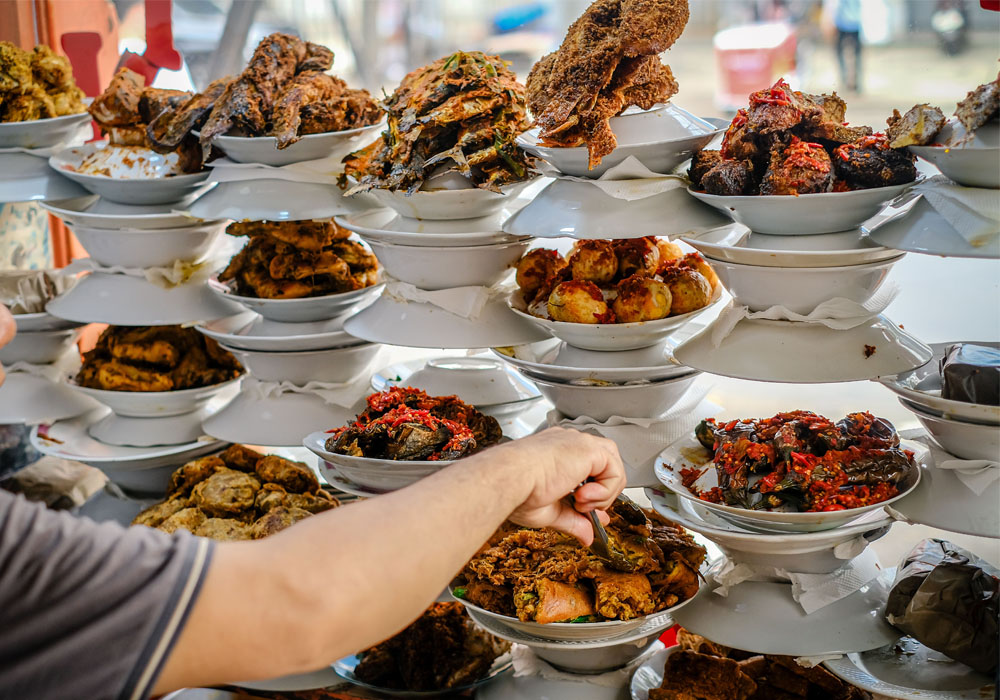
Visiting Indonesia without trying Nasi Padang would be a mistake.
At a Padang restaurant, dozens of dishes are displayed in the window. Once seated, servers bring numerous small plates to your table. You only pay for what you eat.
This dining style reflects the Minangkabau tradition of hospitality, where guests are welcomed with abundance and generosity.
8. Tempeh
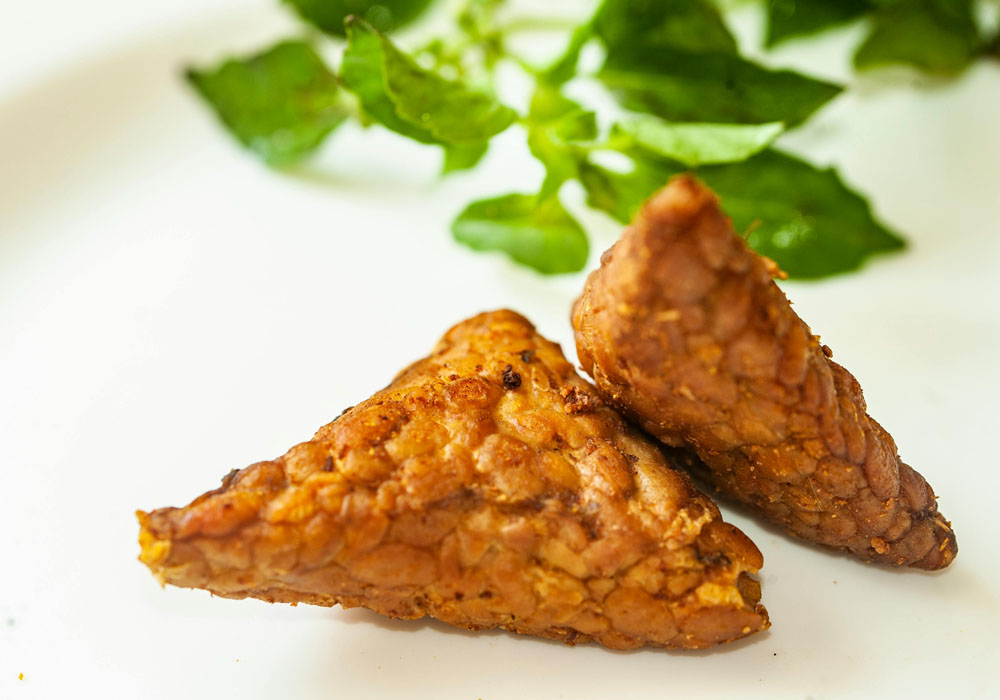
Tempeh may be one of Indonesia’s greatest culinary contributions to the world.
Made from fermented soybeans, tempeh is packed with protein and nutrients. Long before plant-based diets became popular globally, Indonesians had been enjoying tempeh for centuries.
Whether fried, grilled, or cooked in curry, tempeh offers a delicious taste of traditional Indonesian wisdom about sustainable food.
9. Gudeg
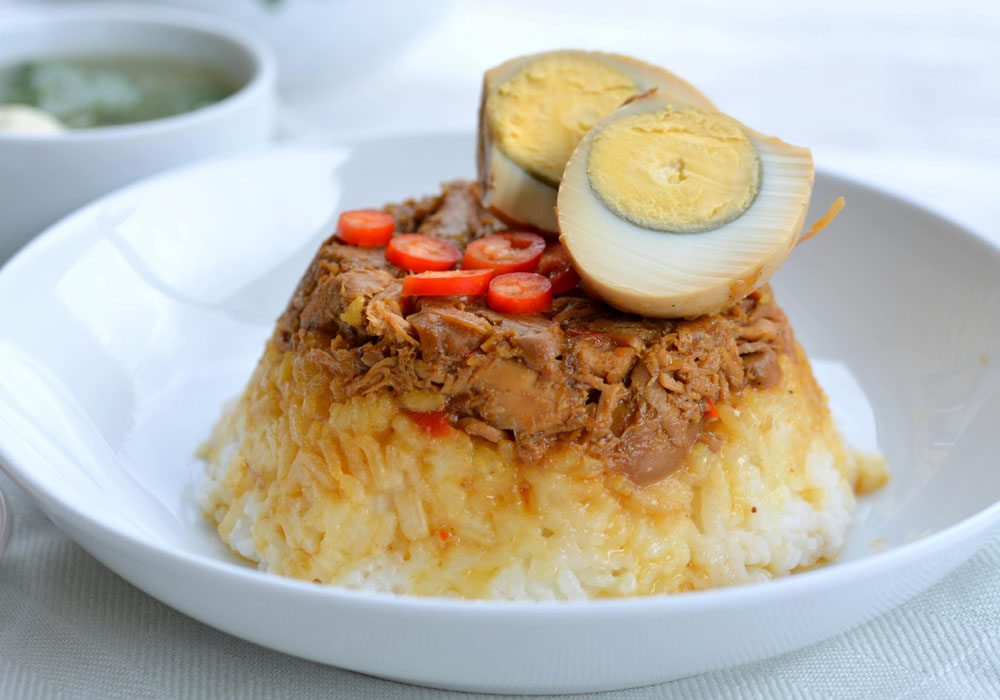
Traveling through Yogyakarta? Gudeg is a must-try.
Made from young jackfruit slowly cooked with coconut milk and palm sugar, Gudeg has a uniquely sweet flavor that reflects Javanese culinary traditions.
Locals often serve it with chicken, eggs, and spicy sambal to balance the sweetness.
10. Pempek
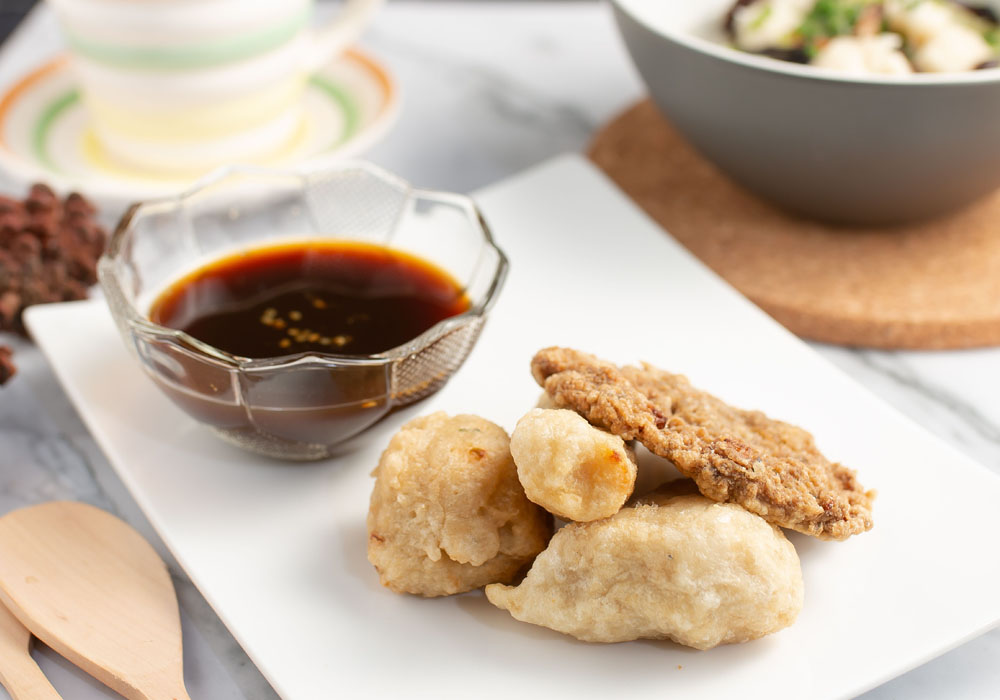
Originating from Palembang in South Sumatra, Pempek is a fish cake served with a sweet and tangy vinegar-based sauce called cuko.
The dish showcases Indonesia’s strong connection to rivers, seas, and fishing communities. Every bite tells a story about life along the waterways that have supported Indonesian civilizations for centuries.
11. Rawon
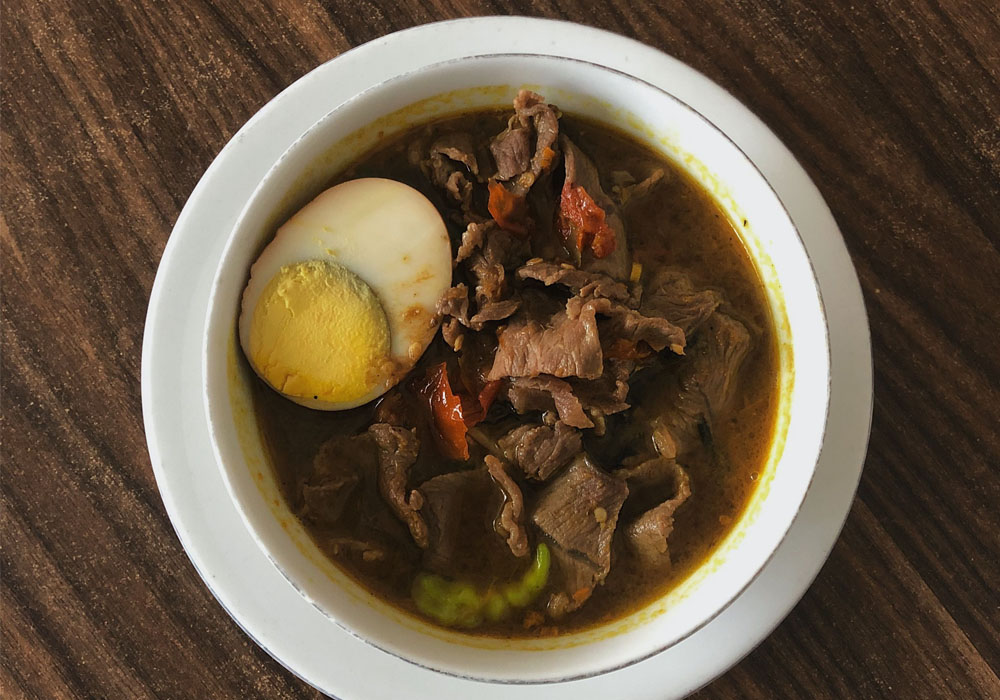
Rawon is one of Indonesia’s most unique soups.
Its dark color comes from keluak, a traditional Indonesian nut that gives the broth a rich earthy flavor. This East Javanese specialty may look unusual to first-time visitors, but adventurous travelers are often rewarded with a memorable culinary experience.
12. Ayam Betutu
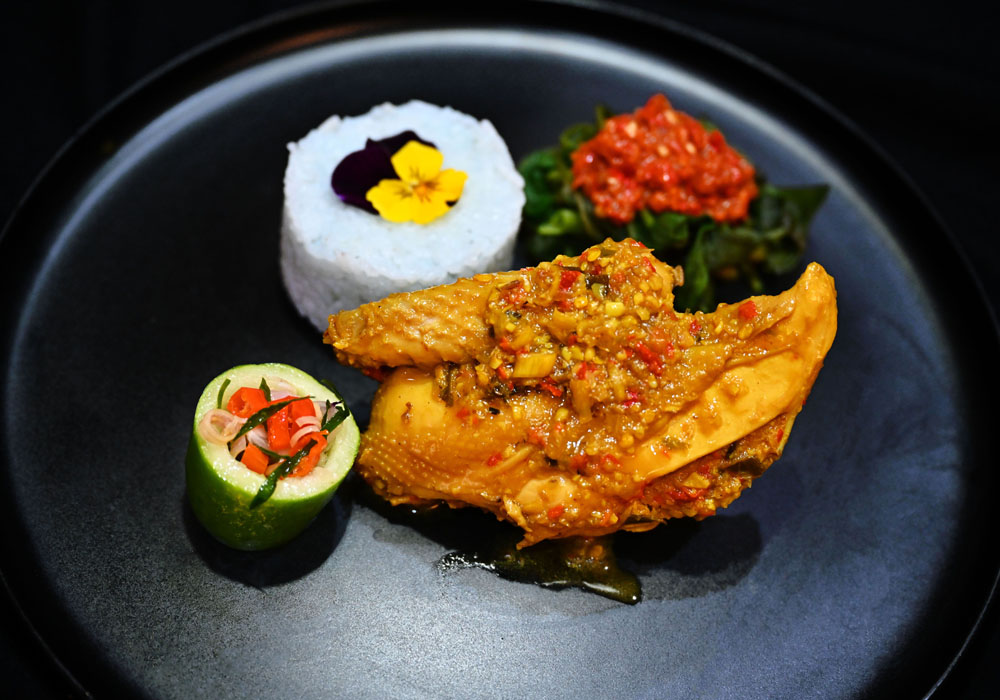
If you’re exploring Bali, Ayam Betutu should be on your food list.
This traditional Balinese dish features chicken marinated with aromatic spices and slow-cooked until tender.
Historically, Ayam Betutu was prepared for religious ceremonies and important community gatherings. Today, it remains a symbol of Balinese hospitality and cultural heritage.
13. Martabak
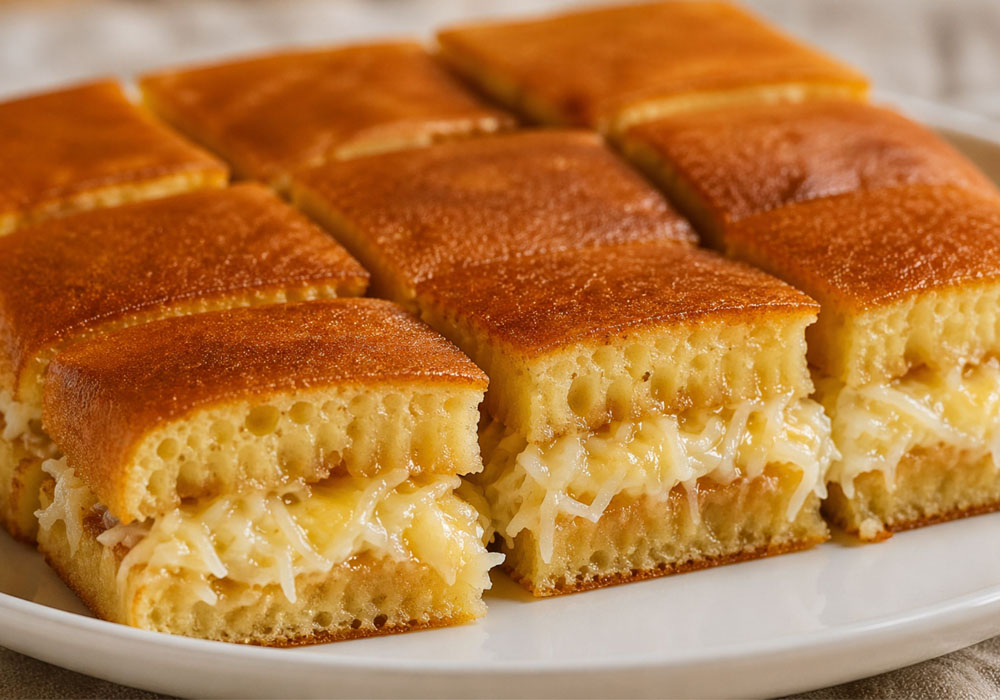
For those with a sweet tooth, Martabak is pure happiness.
Sweet Martabak is a thick pancake filled with chocolate, cheese, peanuts, condensed milk, and many other toppings. Meanwhile, savory Martabak contains seasoned meat and eggs.
Many Indonesians associate Martabak with late-night conversations and weekend treats shared with friends.
14. Sambal
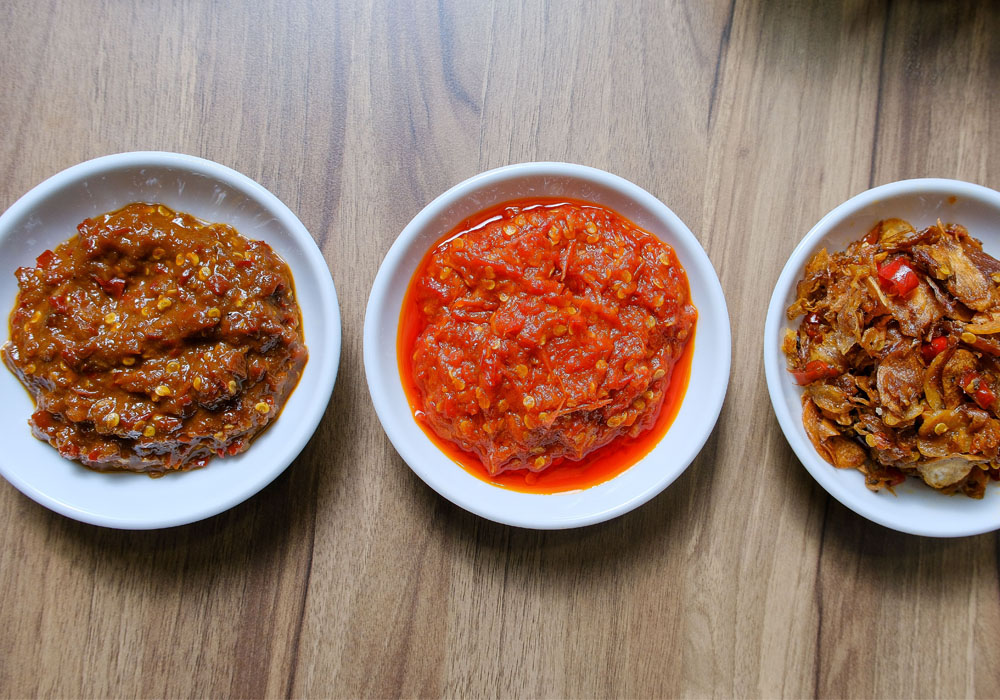
Sambal is not a single dish but an essential part of Indonesian cuisine.
Every region has its own version. Some are fiery hot, while others balance sweetness, saltiness, and acidity.
Many Indonesians joke that a meal isn’t complete without sambal. Trying different sambals is like exploring Indonesia one spoonful at a time.
15. Nasi Campur
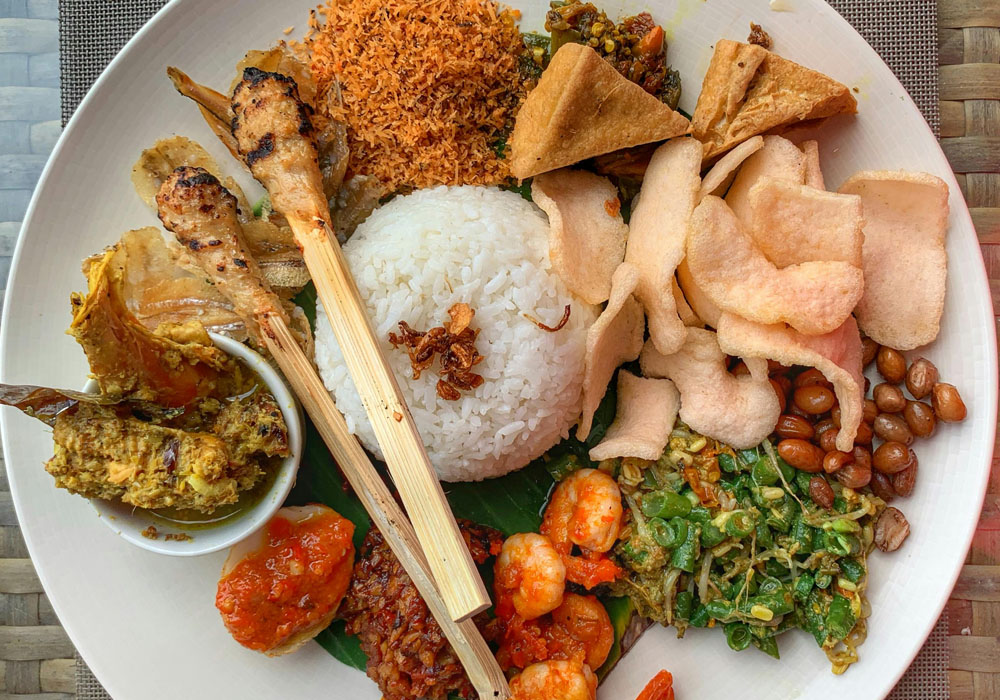
Nasi Campur perfectly represents Indonesia’s culinary diversity.
A plate typically includes rice accompanied by several side dishes such as vegetables, meat, eggs, sambal, and local specialties.
No two plates are exactly alike, just as no two regions in Indonesia are the same.
More Than Just Food
When travelers ask me what they should eat in Indonesia, I often tell them not to focus only on famous dishes.
Visit local markets in the morning. Stop at small family-owned warungs. Talk to the people preparing your food. Ask about recipes and traditions.
Indonesia’s food culture is built on community, hospitality, and shared experiences. Behind every bowl of soup, every skewer of satay, and every spoonful of sambal is a story that connects generations.
Food is not simply fuel here. It is part of daily life, family gatherings, religious celebrations, and cultural identity.
So while you’re exploring Indonesia’s volcanoes, beaches, rice terraces, and temples, don’t forget to explore its flavors as well.
You may arrive searching for beautiful destinations, but you’ll leave with unforgettable memories created around a table, sharing traditional Indonesian food with the people who call this incredible country home.